

Posted on: October 29, 2025
When a mother gives birth safely, it’s not just a family that celebrates, it’s a community that thrives. Yet for too many women in Uganda, that joy is still shadowed by risk. Every life lost during childbirth is a reminder that health systems must start where life begins in the community.
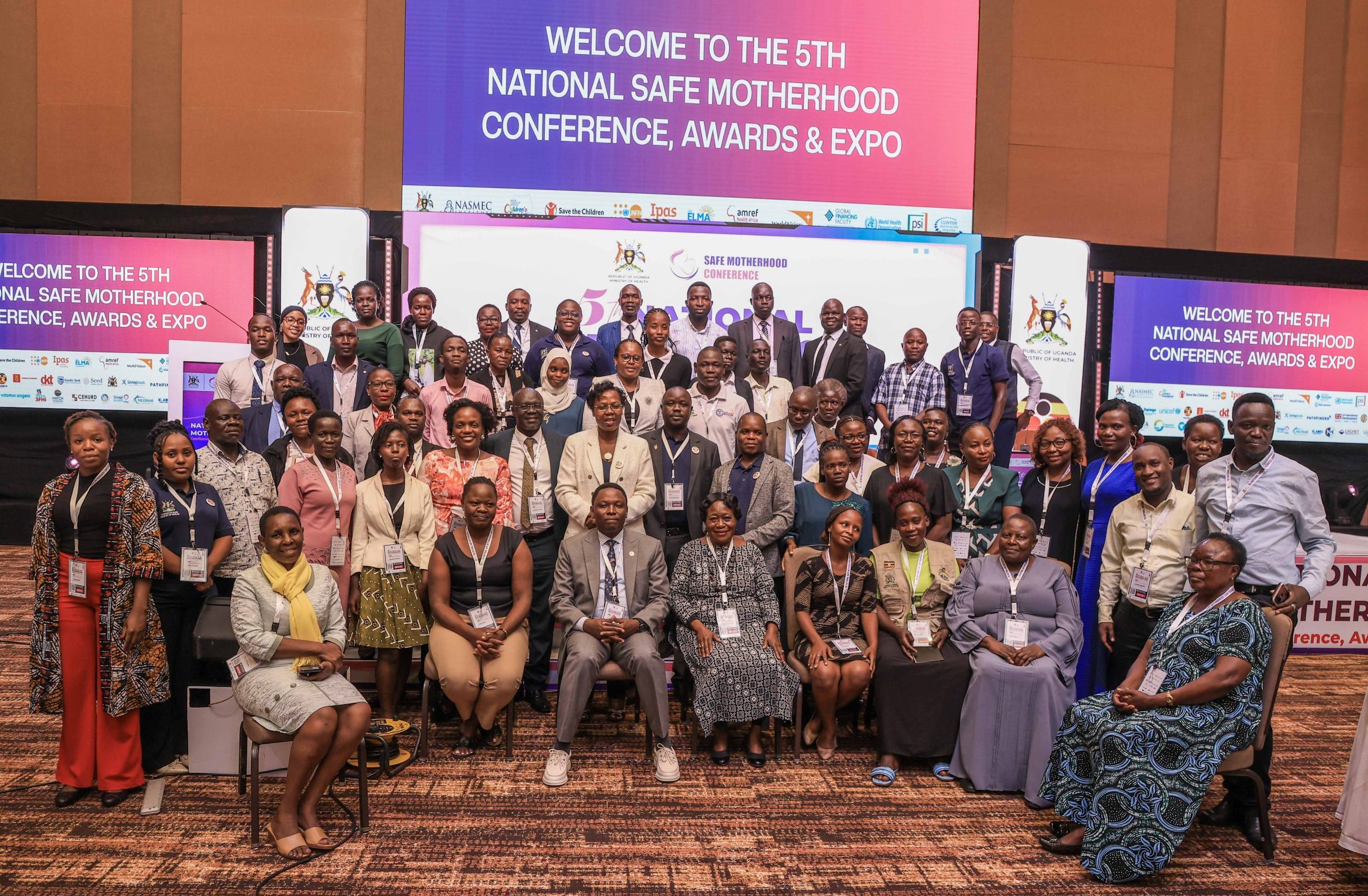
Last week, at the 5th National Safe Motherhood Conference in Kampala, Uganda’s Ministry of Health shared a powerful vision for change, one that puts Community Health Extension Workers (CHEWs) at the heart of a new era in community health.
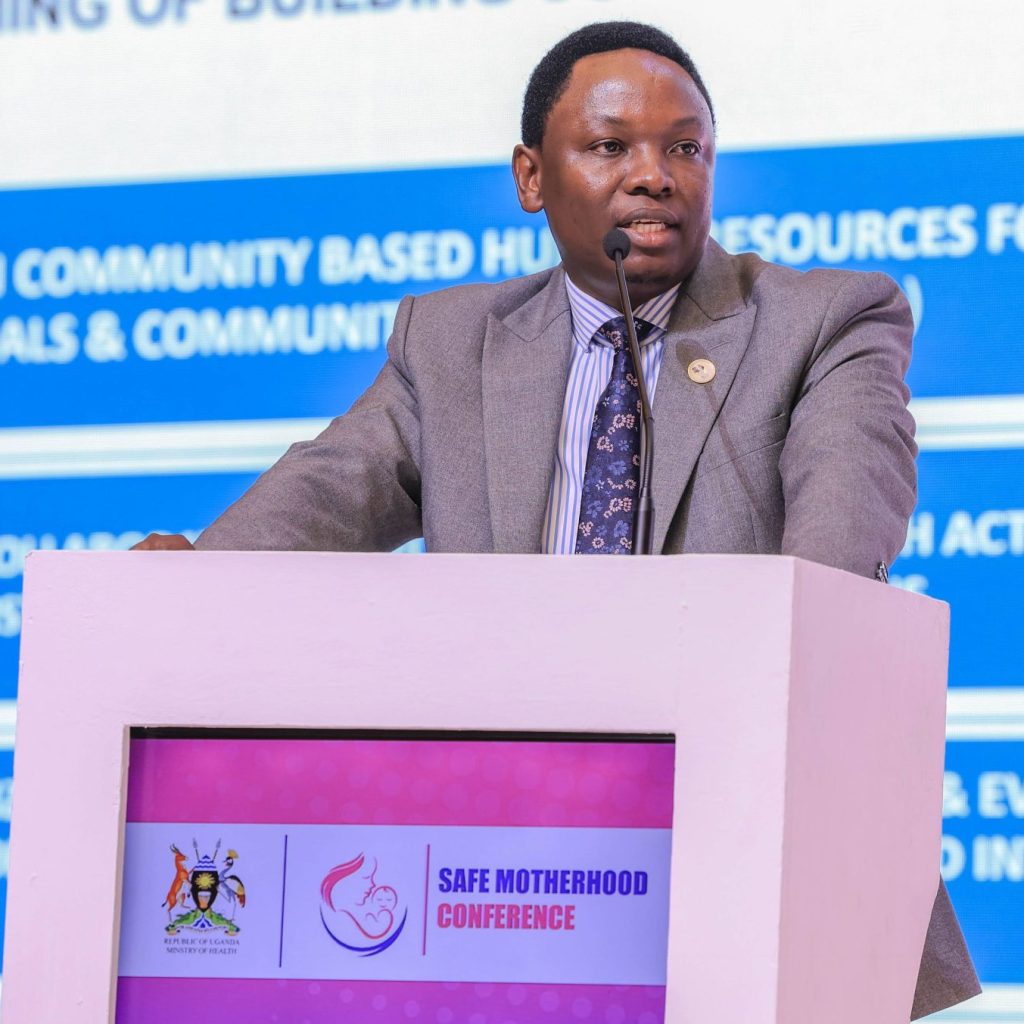
Dr. Richard Kabanda, Commissioner for Health Promotion, Education, and Communication, announced that in just one year, the CHEWs programme has expanded to 38 districts, with resources secured to reach 35 more by early 2026. Behind those numbers lies something extraordinary: a government determined to ensure that no mother dies giving life, and no newborn is left behind.
This isn’t business as usual. Uganda’s Ministry of Health, working hand in hand with partners including Living Goods, is redefining what it means to build a community health system that is professional, digital, and sustainable.
Powering a Digital Health Revolution from the Ground Up
More than UGX 108 billion mobilised from partners is fueling the next stage of community health transformation.
Under a unified approach of “one plan, one budget, one implementation framework,” Uganda is aligning all efforts for greater efficiency and accountability. This isn’t just about scaling programmes it’s about scaling impact.
Already, over 20,000 community health workers have been equipped with tablets connected to the electronic Community Health Information System (eCHIS). These digital tools, coupled with essential medical kits and bicycles, are changing what frontline health looks like. Data is now flowing in real time from villages to national dashboards, guiding decisions that can save lives.
At Living Goods, we’ve seen firsthand how powerful this is. When community health workers are digitally enabled, well-equipped, supervised, and fairly compensated our DESC model they deliver faster, smarter, and more reliable care. They can spot danger signs in pregnancy early, ensure mothers attend antenatal visits, and follow up after birth bridging the gaps that cost lives.
Results that Speak for Themselves
Early evidence is promising. In a four-district pilot, CHEWs performed more than 8,000 contraceptive implant insertions, achieving a 96.8% success rate matching or surpassing outcomes in some health facilities. That level of skill and trust at the community level is exactly what Uganda needs to move the needle on safe motherhood.
As Dr. Richard Mugahi, Commissioner for Reproductive and Child Health, put it:
“Too many mothers still lose their lives while giving birth deaths that can be prevented by addressing the key delays: deciding to seek care, reaching a facility, and receiving timely treatment. CHEWs, working closely with CHWs, are bridging these gaps through proximity, trust, and timely response.”
From Vision to Sustainability
The Ministry of Health’s new policy directing 21% of Primary Health Care (PHC) funds toward health promotion and community-based prevention is a major step toward sustainability.
At the same time, Uganda’s long-standing Village Health Team (VHT) programme is being revitalised with clearer standards, literacy requirements, retraining, and digital integration. The fact that 40% of current CHEWs are former VHTs shows a seamless evolution from volunteerism to a professionalised community health workforce.
For Living Goods, this moment is more than a milestone it’s validation. For nearly two decades, we’ve believed that safe motherhood starts in the community. It’s where health innovation meets human connection.
At the conference, our Interim Uganda Country Director, Dr. Stella Kanyerere, chaired a session on Innovations for Maternal and Newborn Care. Her message was clear: technology alone doesn’t save lives, people do.
“Innovation in health only works when it is people-centred, integrated into national systems, and grounded in community trust.”
Our role providing technical assistance, supporting digitalisation, and strengthening supervision frameworks is helping bring this vision to life. Together with the Ministry of Health and our partners, we’re helping Uganda build a model of community health that others across Africa can learn from.
Looking Ahead
Uganda’s CHEWs programme is more than an expansion; it’s a promise. A promise that no mother will face childbirth alone. A promise that health data will guide action, not sit on shelves. A promise that community health workers will have the respect, resources, and recognition they deserve.
As Uganda moves toward its Vision 2040 and the Sustainable Development Goals, this collaborative approach, rooted in trust, innovation, and accountability, is showing what’s possible.
At Living Goods, we’re proud to walk alongside the Ministry of Health and our partners in this journey. Because when communities are healthy, nations prosper. And when mothers survive and thrive, the future is brighter for everyone.
Share:


