

Posted on: February 4, 2026
In Zamsé, in the municipality of Guiba, Kiendrebeogo Mariam works as a Community Health Worker. Her role is simple: visit families, listen carefully, observe closely, and follow up consistently. Yet these small, repeated actions often make the biggest difference.
One morning, during a home visit with her supervisor, Mariam visited ILBOUDO Monique. Almost immediately, she sensed something was wrong. Monique looked weak and was vomiting.
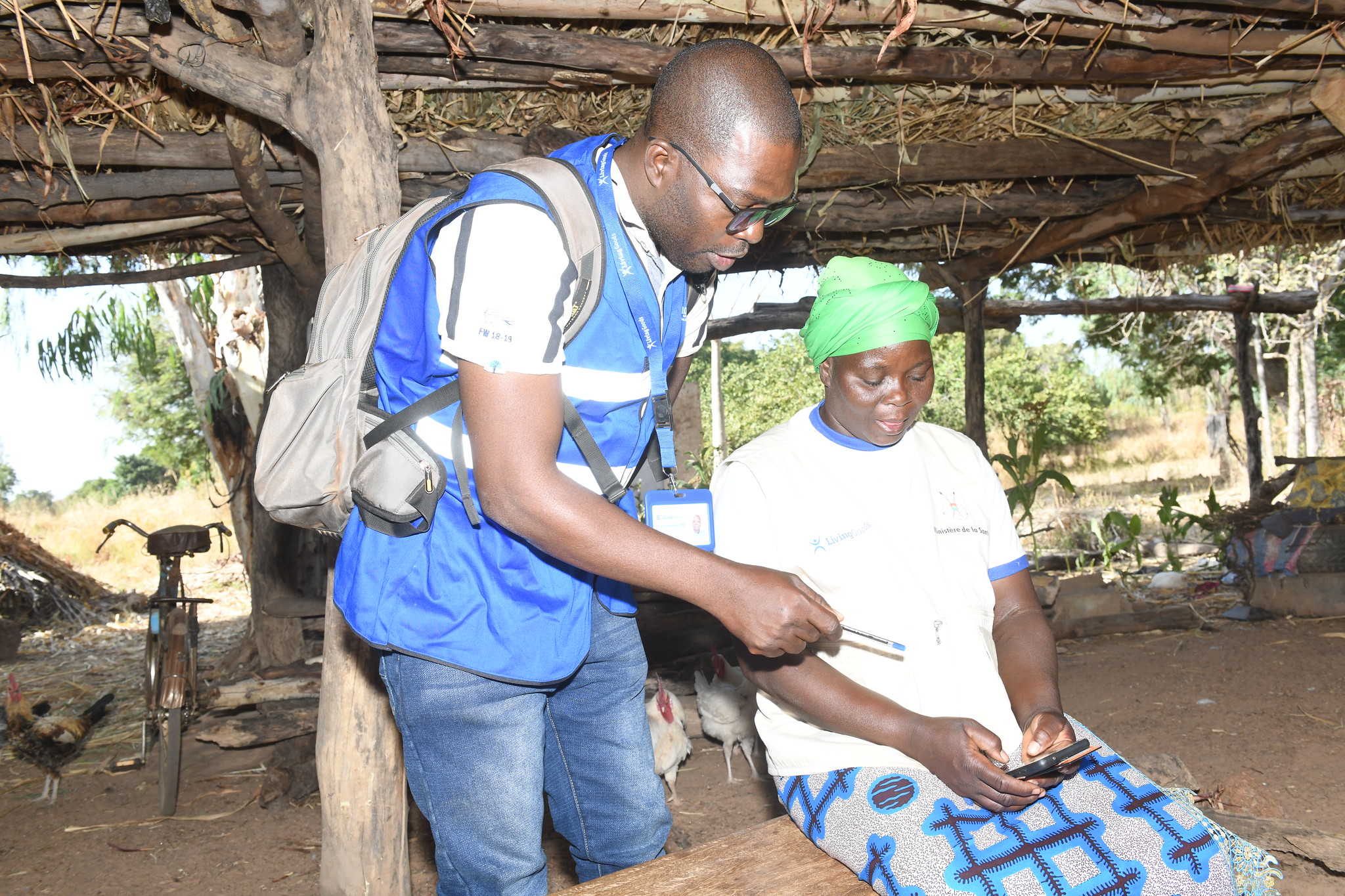
Instead of leaving, Mariam stayed. She observed, asked questions, and listened.
“As we talked, I asked when her menstrual periods had stopped and whether she had any pain. That’s when we realized she was pregnant again. I immediately encouraged her to go to the health facility,” Mariam recalls.
Monique followed the advice. A pregnancy test confirmed it. Back in the village, Mariam continued her support. She provided guidance, gave products, and checked in regularly. Over time, trust grew.
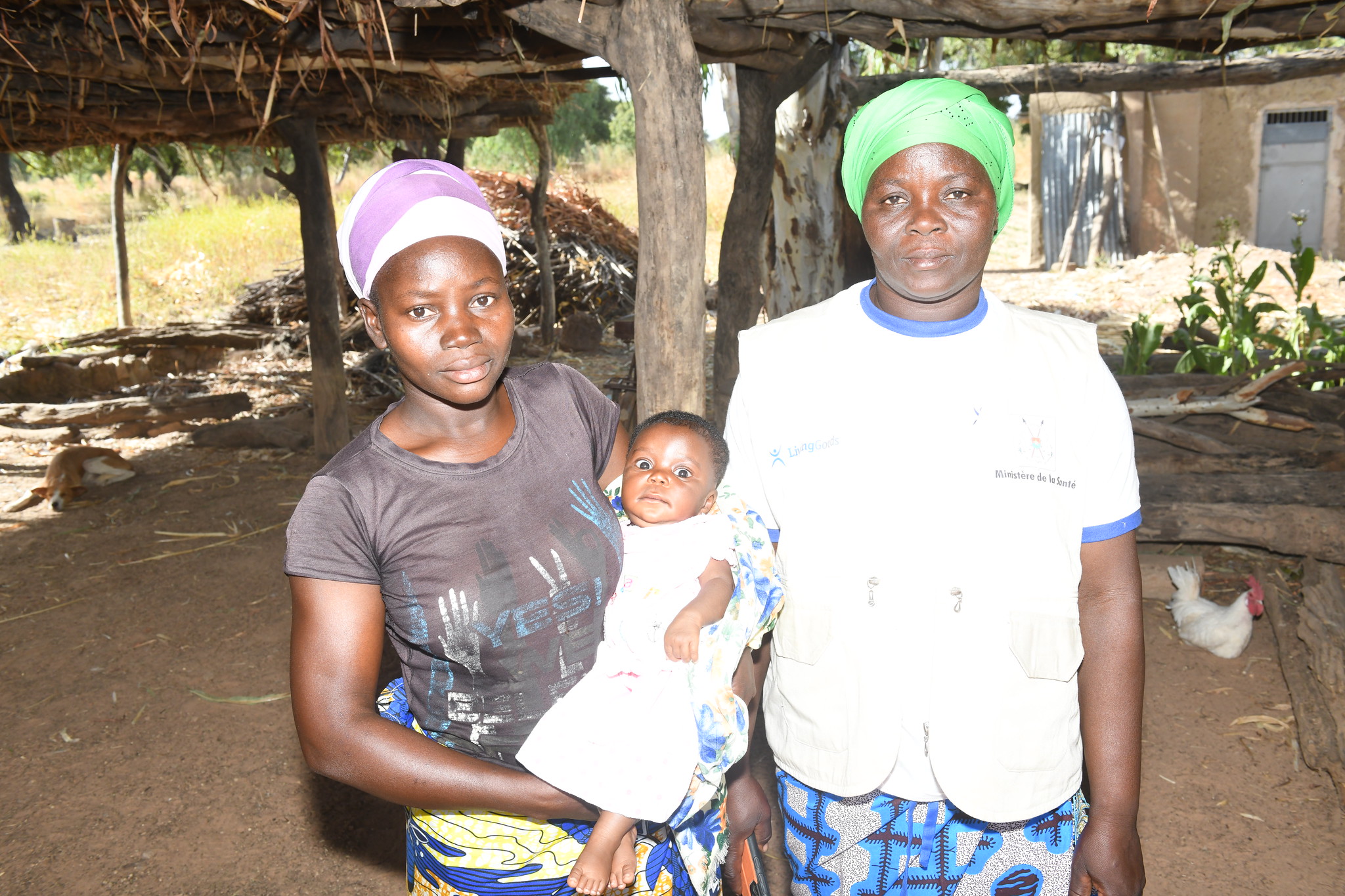
In the third month, Mariam encouraged Monique to attend her check-ups and weigh-ins. She went. Mariam stayed with her through the pregnancy and all the way to delivery.
After the birth, Mariam visited the family once more. Both mother and baby were healthy.
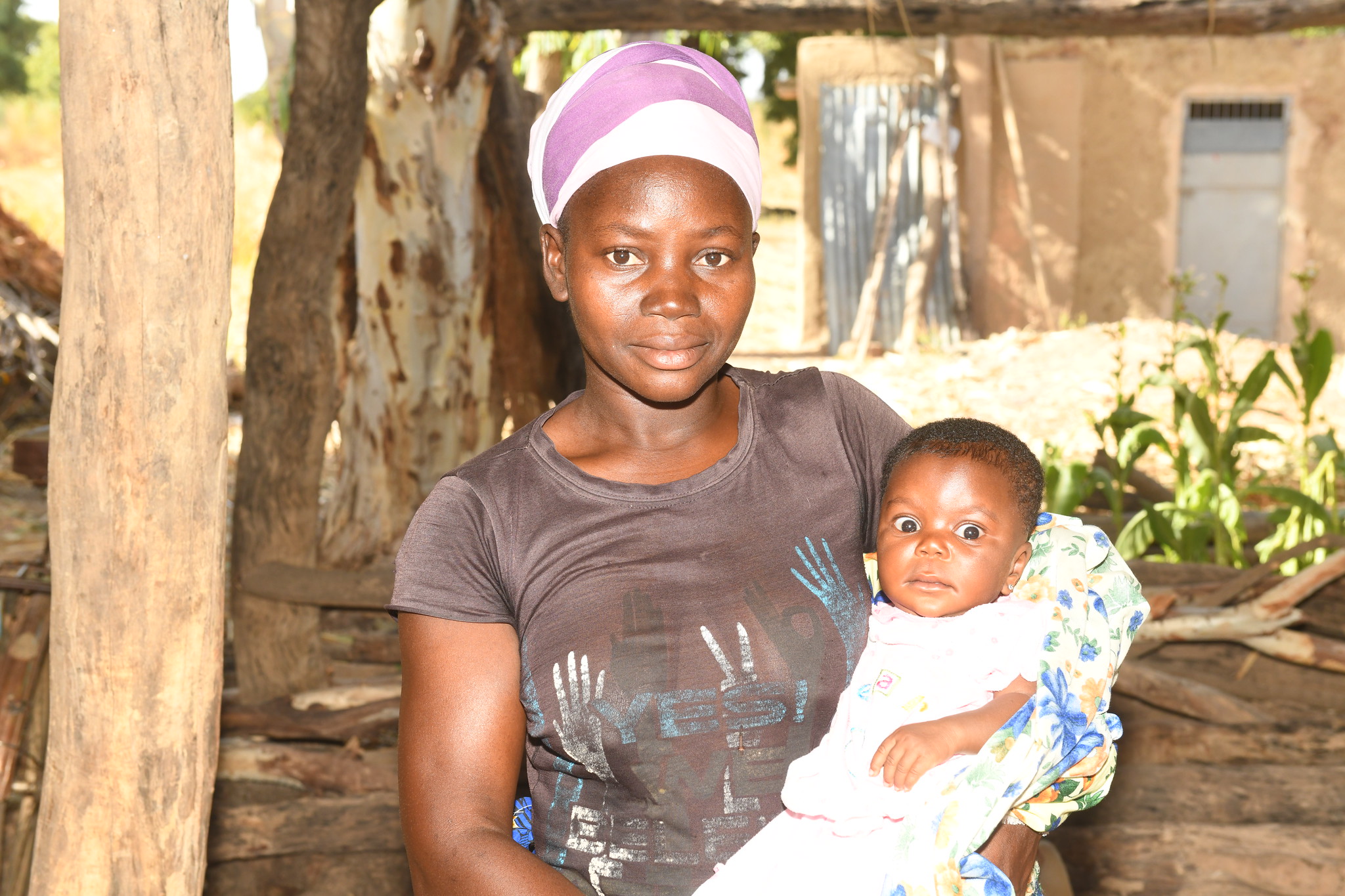
This story shows what happens when care starts close to home. Through proximity, careful listening, and consistent follow-up, Community Health Workers identify risks early, ensuring families reach health facilities in time and turning potentially dangerous situations into healthy outcomes.
Share:


