

Posted on: May 8, 2026
As counties across Kenya navigate the 2026–2027 budget cycle, sustainable financing for community health remains critical to ensuring families continue to access lifesaving primary healthcare services close to home.
At Living Goods, we are working alongside county governments to strengthen long-term commitment to community health by advocating for increased domestic financing, stronger policy frameworks, and government-led ownership of community health programs.
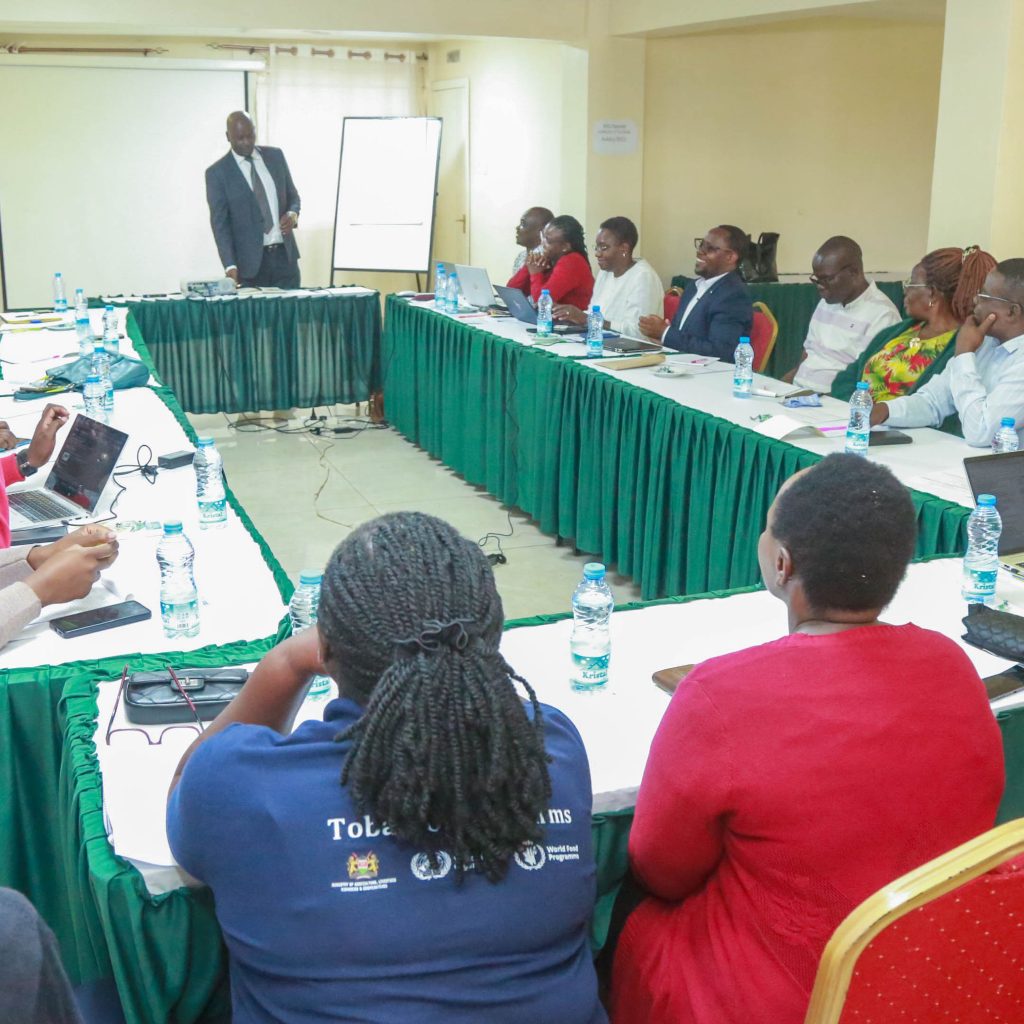
Over the past weeks, we have engaged leadership in Kisumu, Bungoma, Vihiga, and Busia to advocate for prioritization of community health financing and reinforce commitments to locally fund and lead these programs.
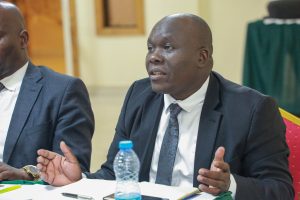
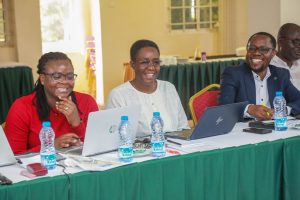
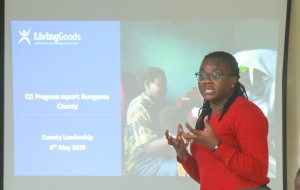
In Bungoma, Living Goods convened discussions with county leadership from both the health and finance departments, led by the County Executive Committee Member (CEC) for Health and finance leadership, to align on priorities for the upcoming budget cycle. The discussions focused on ensuring county budgets are driven by health data and local realities from child mortality trends to gaps in access to essential services so that resources are directed where they are needed most.
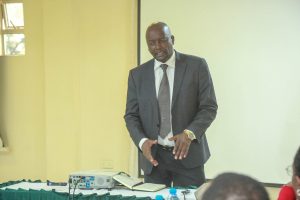
Importantly, the county is exploring innovative financing approaches through the Facility Improvement Fund (FIF) to help sustain investments in community health in target areas. These conversations also emphasized the need for stronger legal and policy structures that can institutionalize community health financing and protect long-term investments in frontline healthcare delivery.
Why does this matter? Because sustainable county financing means community health workers can continue reaching households with essential services, children can receive timely care, and vulnerable communities can access healthcare earlier before illnesses become emergencies. Stronger local financing and governance are key to building resilient, self-sustaining health systems that deliver impact long after donor funding ends.
Share:


