
Posted on: November 3, 2025
When Community Health Coordinator Sister Rosemary Nakakaawa met 28-year-old Doreen Namugasa, she recognized a story she had heard many times before. Doreen, a mother of four, had not planned to have so many children. Each pregnancy followed advice from neighbors who told her that “married women don’t need to worry about family planning.” Within six years, she had gone from a hopeful newlywed to a mother struggling to provide for her family.
“This is one of the most common myths I encounter,” Rosemary explains. “People assume marriage means having children, but many married women still experience unplanned pregnancies, often with greater consequences.”
Doreen’s experience reflects a broader challenge in Wakiso District, persistent misinformation, barriers to reproductive health services, and social norms that limit women’s ability to make informed choices.
Strengthening Coordination and Access
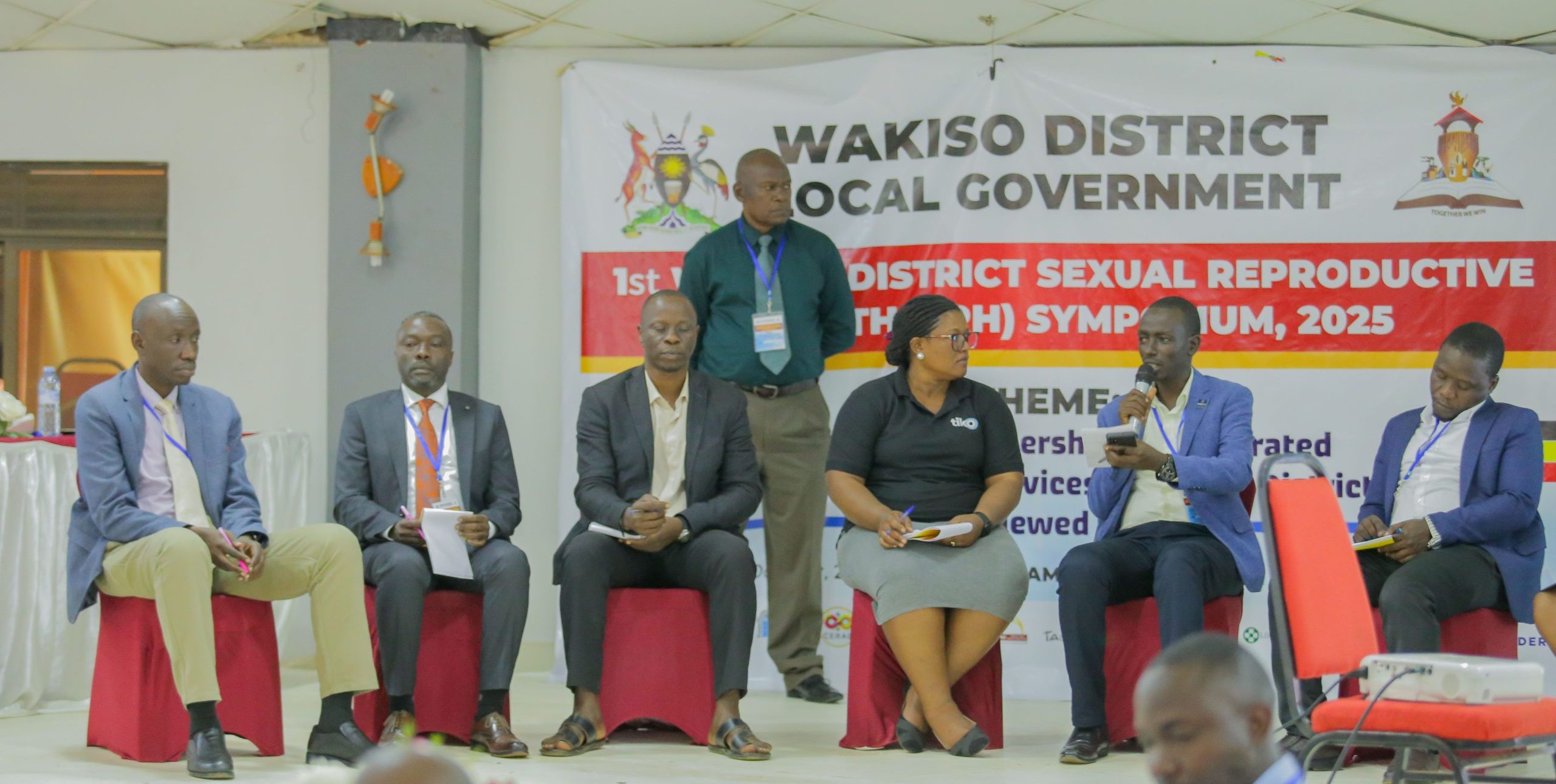
Home to more than 3.4 million people, Wakiso District continues to face high rates of teenage pregnancy and unmet family planning needs. To address these issues, the District Health Office convened the Wakiso Sexual and Reproductive Health Symposium, bringing together government leaders, civil society, and community health partners to align priorities and identify practical solutions.
According to District Health Officer Dr. Emmanuel Mukisa Muwonge, teenage pregnancy rates have declined from 12.3% in 2020/21 to 11.2% in 2024/25—progress partly driven by Community Health Workers (CHWs). Through education, counseling, and referrals to youth-friendly services, CHWs are helping adolescents make informed decisions and delay early pregnancies.
Dr. Muwonge emphasized that data-driven, community-based approaches are essential for sustained progress. “CHWs extend reproductive health services to the last mile and provide accurate, timely data that informs district and national decisions,” he said.
Digital Tools Driving Impact
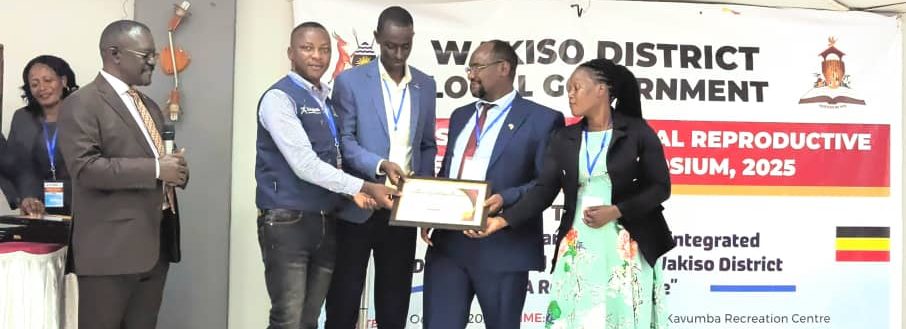
At the symposium, Living Goods was recognized as a key partner in strengthening Wakiso’s community health system. District Partnerships Strategist Saul Mutimba shared how the organization’s DESC model—Digitally Enabled, Equipped, Supervised, and Compensated, is improving service delivery across the district.
Under this model, CHWs like Rosemary receive training, digital tools, and regular supervision to support their work. Using mobile applications, they record household visits, track clients’ health needs, and report data in real time. This enables health managers to plan more effectively, restock family planning commodities, and respond to emerging reproductive health trends.
“We must continue to invest in training and equipping community health workers,” said Dr. Richard Mugahi. “They are essential to ensuring that sexual and reproductive health services reach everyone who needs them.”
For Doreen, access to accurate information and counseling through her local CHW has made all the difference. She is now using family planning and has become an advocate for informed reproductive health decisions among women in her community.
Share:


