
Posted on: November 7, 2025
A new BMJ Global Health study led by the Community Health Impact Coalition, with Living Goods as a contributor, shines a spotlight on a critical gap in global health financing: the lack of visibility into how much major funders are investing in professional community health workers (proCHWs).
Despite the growing evidence that proCHWs; salaried, skilled, supplied, and supervised, are essential for Universal Health Coverage, the study found that none of the eight largest global funders fully disclose their investments in proCHWs, and only two (The Global Fund and PMI) provide partial visibility. This makes it nearly impossible to measure progress, identify gaps, or ensure frontline workers are receiving the support they need.
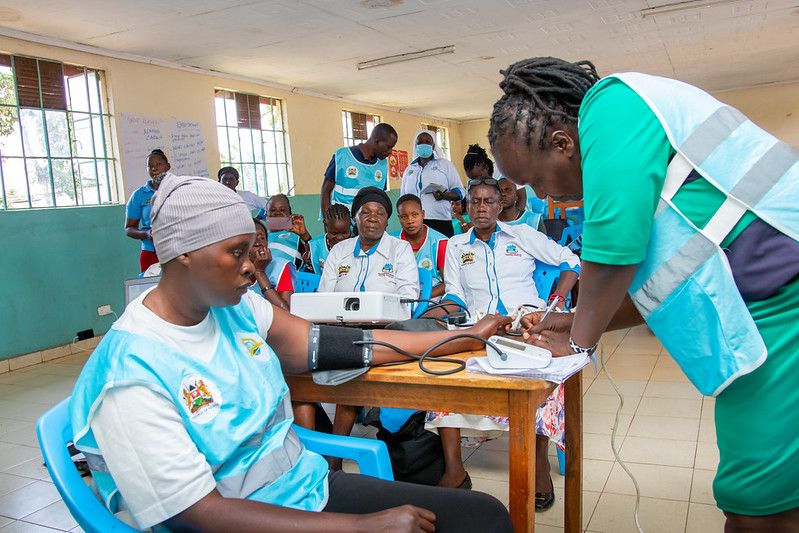
Professionalizing CHWs: A Proven Pathway to Impact
When CHWs are professionalized, they deliver stronger health outcomes, reduce preventable deaths, and extend essential care to the most vulnerable. Yet without financing transparency, governments and partners cannot reliably plan or align investments. For Living Goods, which partners with governments to build sustainable proCHW systems, this study underscores the urgency of making funding trackable, accountable, and aligned with WHO guidelines.
Data and Transparency as Catalysts for Change
The study revealed a systemic challenge: proCHW-specific investments are rarely tracked in donor reporting systems. This lack of visibility weakens coordination, accountability, and efficiency across the sector. Better data on financing is not just a technical need—it’s central to ensuring proCHWs are paid, trained, supplied, and supervised.
Building Sustainable Systems
The findings make clear that transforming community health requires more than program innovation. It requires financing systems that governments and partners can see, measure, and manage. Without this, frontline workers risk remaining undervalued and under-supported, leaving communities behind.
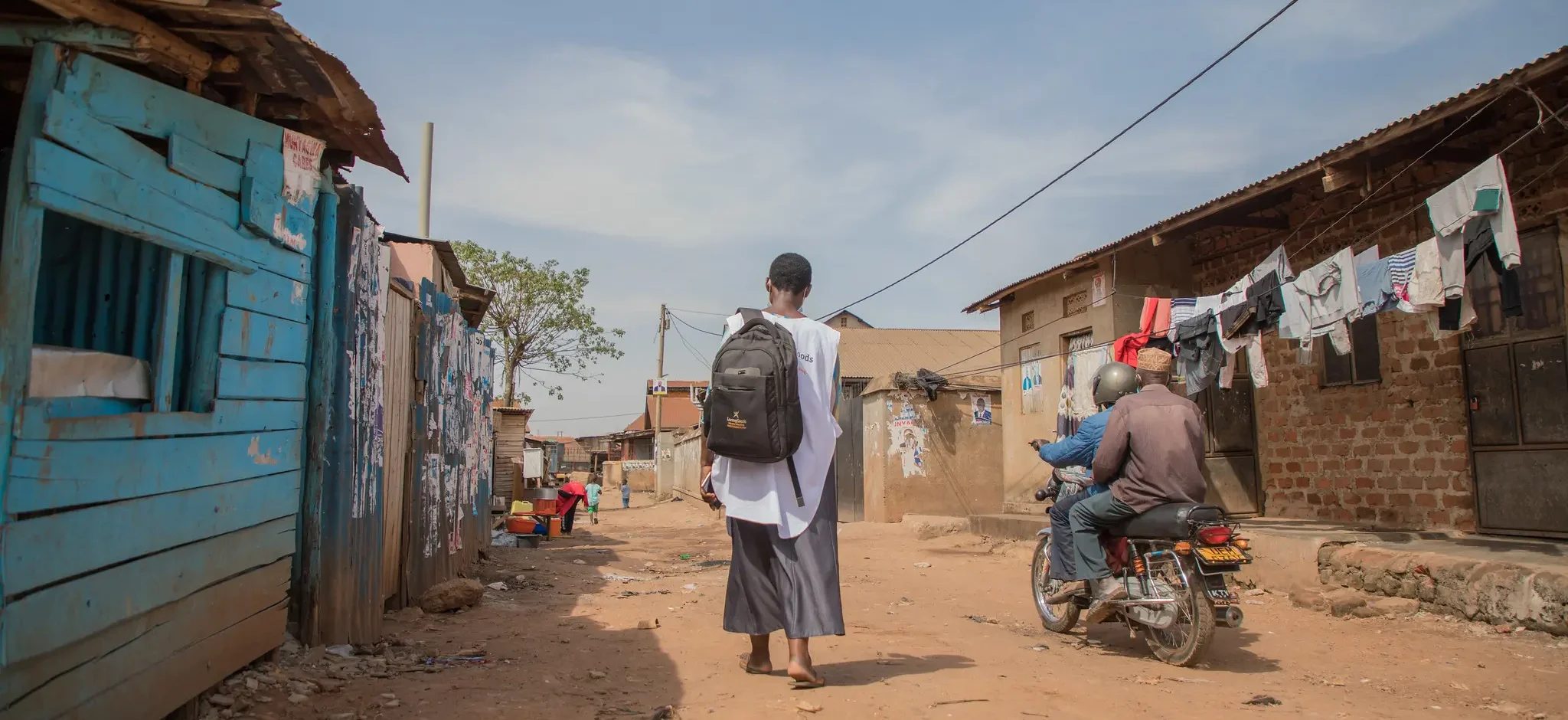
What Can Funders and Governments Do?
To close this gap, the study recommends that:
- Funders improve public visibility of CHW financing.
- ProCHW-specific indicators are integrated into reporting systems.
- Investments align with WHO guidelines on professionalizing CHWs.
At Living Goods, we are committed to advancing these priorities, working with governments to design and scale sustainable financing models that make proCHW investments visible, measurable, and impactful. Because every community deserves frontline health workers who are set up for success.
Read the full report here: Essential aid made fully visible: understanding the proCHW financing landscape analysing accessible donor data sources | BMJ Global Health
Share:


