

Posted on: February 4, 2026
Over the past three years, Kisumu County has become the first in Kenya to fully institutionalize the government-led DESC approach— ensuring that CHWs are Digitally enabled, Equipped, Supervised, and Compensated. Kisumu offers a powerful preview of what happens when governments lead the design, implementation, and funding of community health programs, alongside a partner like Living Goods.
A recent process evaluation by IDinsight found strong evidence that the approach is driving measurable improvements, while highlighting the system-level gaps that must be addressed to sustain progress. Comparing data from the 2022 baseline, when Living Goods transitioned from direct to government-led implementation in Kisumu, to the 2025 endline, researchers found that:
- Women completing eight or more antenatal visits rose from 4% to 19%.
- Facility deliveries grew from 68% to 78%.
- Postnatal visits within three months increased from 59% to 93%.
- Pneumonia referrals completed at facilities jumped from 15% to 81%.
Behind these numbers are deeper shifts in trust, accountability, and data use. CHWs, affectionately known as daktari in their communities, feel more confident and responsible for ensuring referrals are completed, while county supervisors are using digital dashboards to monitor performance in near real time.
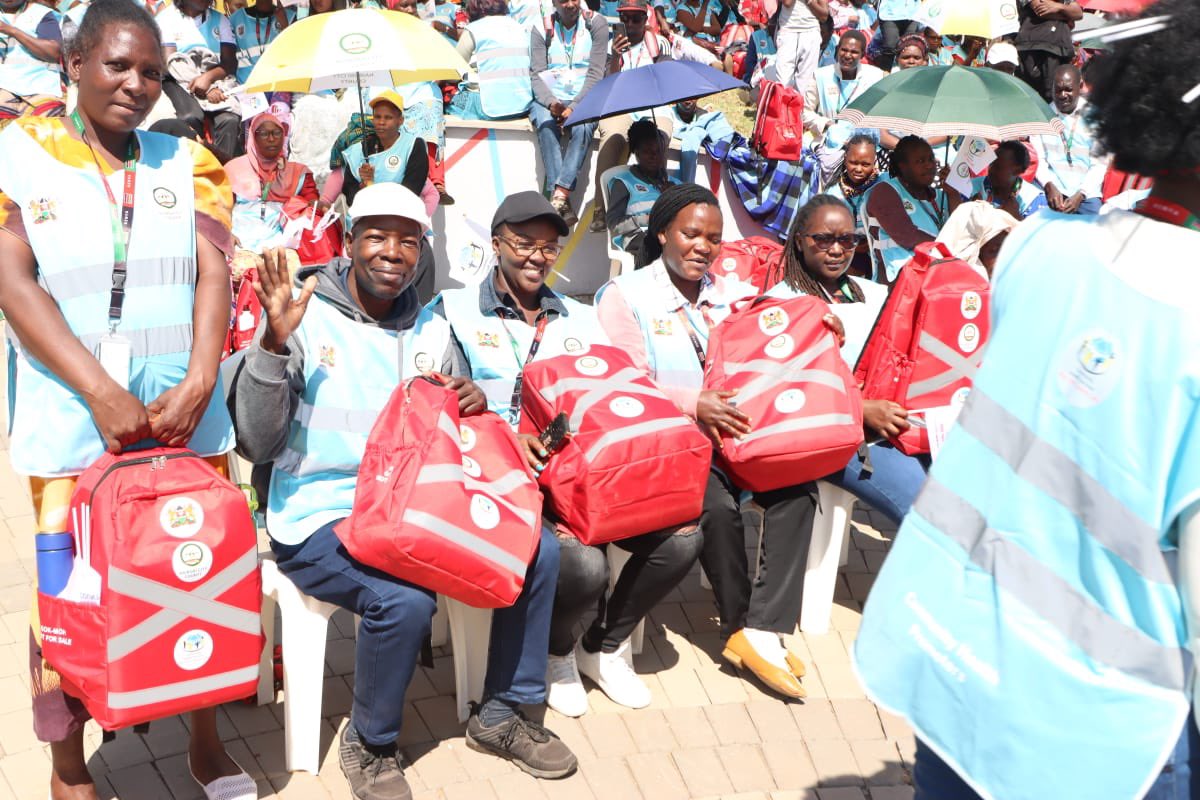
Kisumu’s experience shows that when governments embed digital, supervisory, and financing systems within their own structures, community health becomes more effective and sustainable. The evaluation also underscored persistent challenges: stockouts, delayed CHW compensation, and weak network connectivity continue to constrain performance. These realities are shaping how Living Goods will refine our role going forward, focusing less on troubleshooting and more on strengthening government capacity to prevent and manage these bottlenecks.
As we support additional counties, the lessons from Kisumu are clear. We will:
- Institutionalize capabilities by embedding digital and supervisory know-how inside county teams.
- Increase value add through targeted technical assistance where governments need it most, enhancing digital reliability, performance management, and optimizing community health programs to be more cost effective.
- Foster innovation through affordable, scalable digital and emerging technology solutions that strengthen government systems.
Kisumu’s story affirms that government-led community health is not only possible but working. Our next phase will build on this foundation, helping more counties deliver the same measurable impact at-scale.
Share:


