

Posted on: March 13, 2026
Every vaccine delivered on time can mean the difference between life and loss for a child. But reaching every family, especially in the last mile, requires strong systems, trusted community health workers, and reliable information.
In Kenya, the immunization program has introduced several important changes over the past year, including a second dose of IPV and TCV at 9 months, a single-dose HPV vaccine for girls aged 10, and the transition to the R21 malaria vaccine. As these updates roll out, ensuring that families understand when and where to get vaccinated is just as important as having the vaccines.
In Kisumu, Living Goods is working with the county government to make sure no child is left behind. At the center of this effort are Community Health Promoters (CHPs), who are trained and equipped to bring accurate health information directly to households. Using digital tools, CHPs can register families, identify children who are due for vaccines, and track immunization status in real time, helping the health system respond faster and reach more children.
This data-driven approach is strengthening accountability and making immunization delivery more efficient, especially in communities that are hardest to reach.
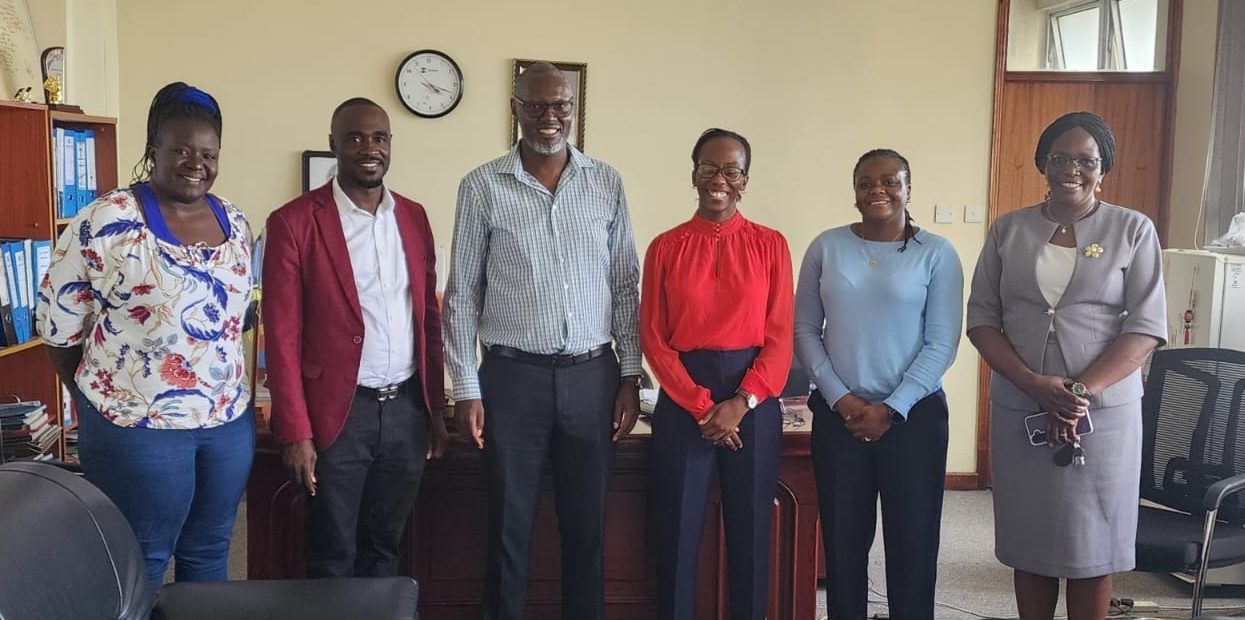
To better understand what is working and where gaps remain, Living Goods and the Kisumu County Department of Health hosted Dr. Rose Jalang’o, Head of the National Vaccines and Immunization Program at the Ministry of Health. The visit created space for health workers, facility staff, and community teams to share their experiences from the ground.
The discussions highlighted that strong community follow-up is critical to improving vaccine uptake. CHPs play a key role in tracing children who miss appointments and supporting families with the information they need to return for care. At the facility level, consistent vaccine availability remains essential. Health workers noted that stock challenges — such as those affecting the rotavirus vaccine — are part of wider global supply issues, but local coordination helps ensure services continue.
They also emphasized the importance of working beyond the clinic. Schools, for example, have become important partners in reaching girls with the HPV vaccine, while improved storage equipment helps facilities safely manage vaccine supplies. Strengthening the link between communities and health facilities ensures that more children complete their full immunization schedule.
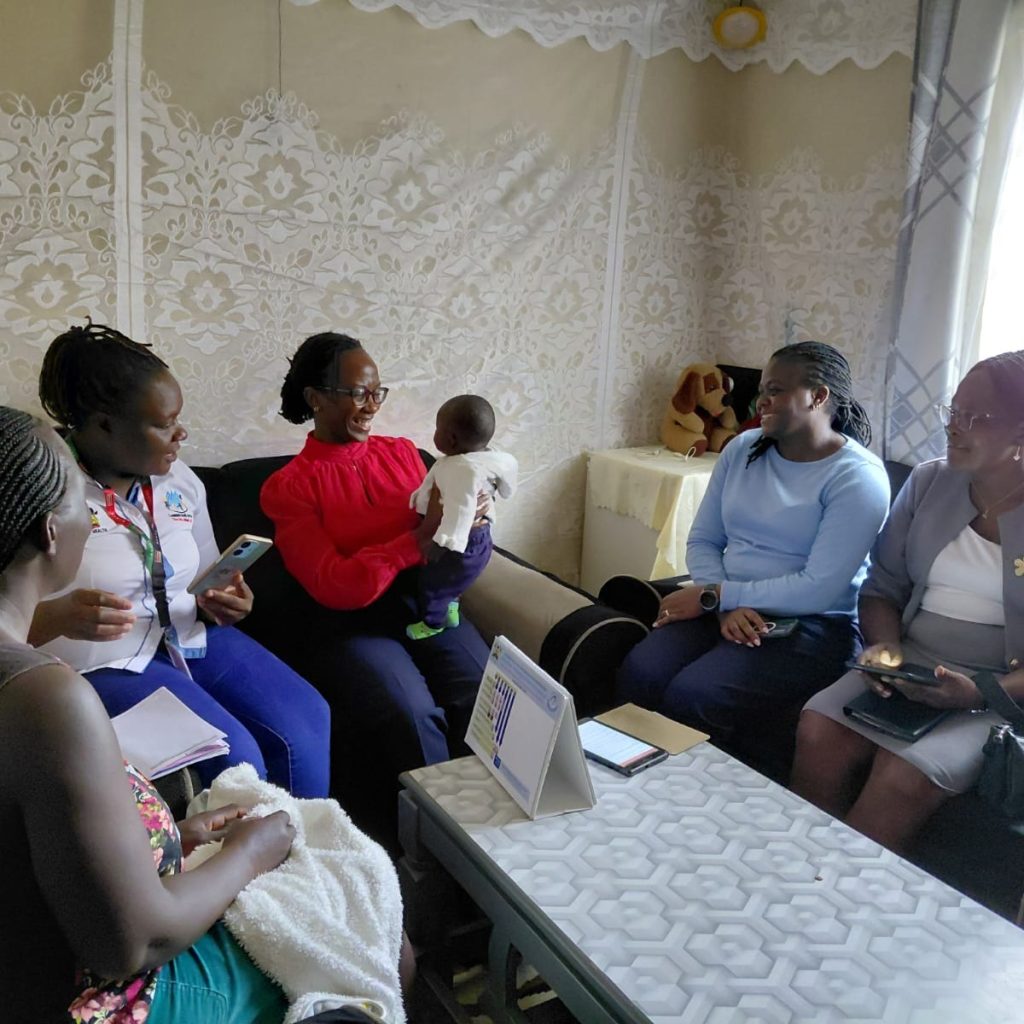
The visit also explored how digital tools are improving the experience for both health workers and families, and how national reforms such as the Social Health Authority (SHA) can support more connected, end-to-end service delivery. Living Goods shared lessons from years of working alongside governments to build digital systems that make primary health care more responsive and easier to access.
Above all, the engagement reinforced a simple truth: lasting progress comes from long-term partnerships. For the past five years, Living Goods has worked hand in hand with Kisumu County to strengthen community health systems, support frontline workers, and help ensure that every child has the chance to grow up healthy.
Share:


