

Posted on: June 30, 2026
At 20, Deborah Atieno had never seriously considered using contraception. Like many young women in her community, much of what she knew about family planning came from myths and misconceptions.
“I had heard that contraceptives could cause infertility, excessive bleeding, birth defects, or even reduce a woman’s sex drive,” she recalls.
Everything changed during her first pregnancy.
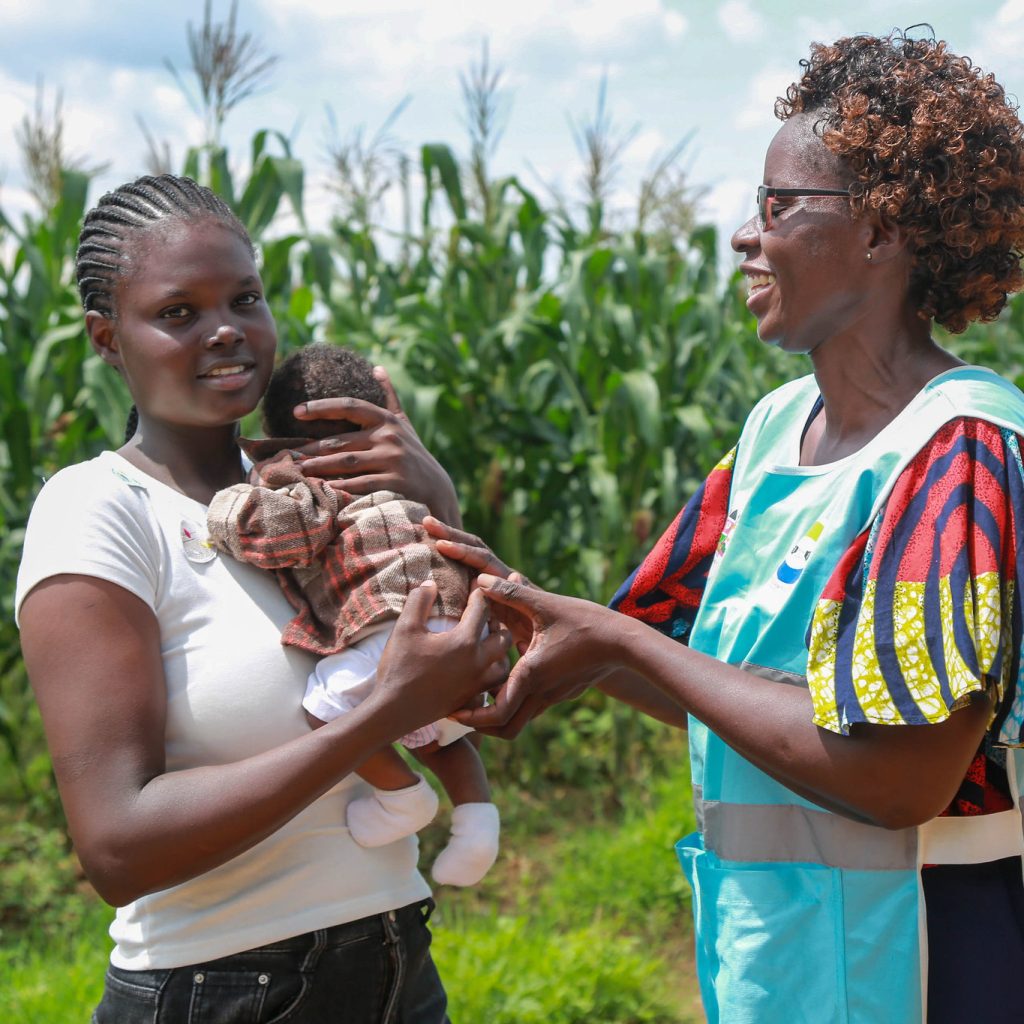
While attending routine antenatal care at Alupe Sub-County Hospital in Busia County, Deborah met Evalyne Wanyama, a Community Health Promoter (CHP). Their conversations began with pregnancy care and preparing for childbirth. But as Deborah’s due date approached, Evalyne gently introduced another important topic: family planning after delivery.
Rather than telling Deborah what to do, Evalyne listened to her concerns, answered her questions, and explained the different contraceptive options available, how they work, and where they could be accessed.
For Deborah, the information was empowering.
“It helped me understand the choices I had and cleared many of the misconceptions I had grown up believing,” she says.
Still, one conversation remained difficult. Deborah was unsure how to discuss family planning with her husband.
Recognizing that reproductive health decisions are often made together, Evalyne arranged a household visit when both Deborah and her husband were at home. The discussion created a safe space for them to ask questions, address concerns, and make an informed decision as a couple.
Soon after, they visited Alupe Sub-County Hospital, where Deborah enrolled in a family planning program.
Today, at 22 and a mother of two, Deborah says contraception has given her the confidence to plan her family’s future.
“Using family planning allowed me to focus on caring for my first child,” she says. “She received all her immunizations, and I was able to exclusively breastfeed her for six months. It also gave my body time to recover before my next pregnancy.”
For Deborah, family planning is no longer something to fear. It is a way to protect her health, support her children’s wellbeing, and plan for the future she wants for her family.
For Evalyne, stories like Deborah’s are what make her work meaningful.
As a Community Health Promoter, she receives ongoing training through Living Goods, equipping her with up-to-date knowledge on modern contraceptive methods and effective counselling techniques. Much of her work focuses on creating awareness, addressing misconceptions, and helping families access the services they need.
“Many people are still hesitant because of stigma or misinformation,” Evalyne explains. “When someone hasn’t enrolled in family planning, I don’t pressure them. I listen, answer their questions, and continue supporting them until they feel confident making their own decision.”
She also follows up with clients after referrals to health facilities, ensuring they receive the care they need and addressing any remaining concerns.

Across communities, Community Health Promoters like Evalyne are helping bridge the gap between health facilities and households. By bringing trusted health information directly into people’s homes, they are enabling women and families to make informed reproductive health choices, improving maternal health, supporting healthier birth spacing, and strengthening the wellbeing of entire communities.
Share:


